


Technical reference
Glass Technical Datasheet
Comprehensive Specifications for Annealed, Tempered & Laminated Glass
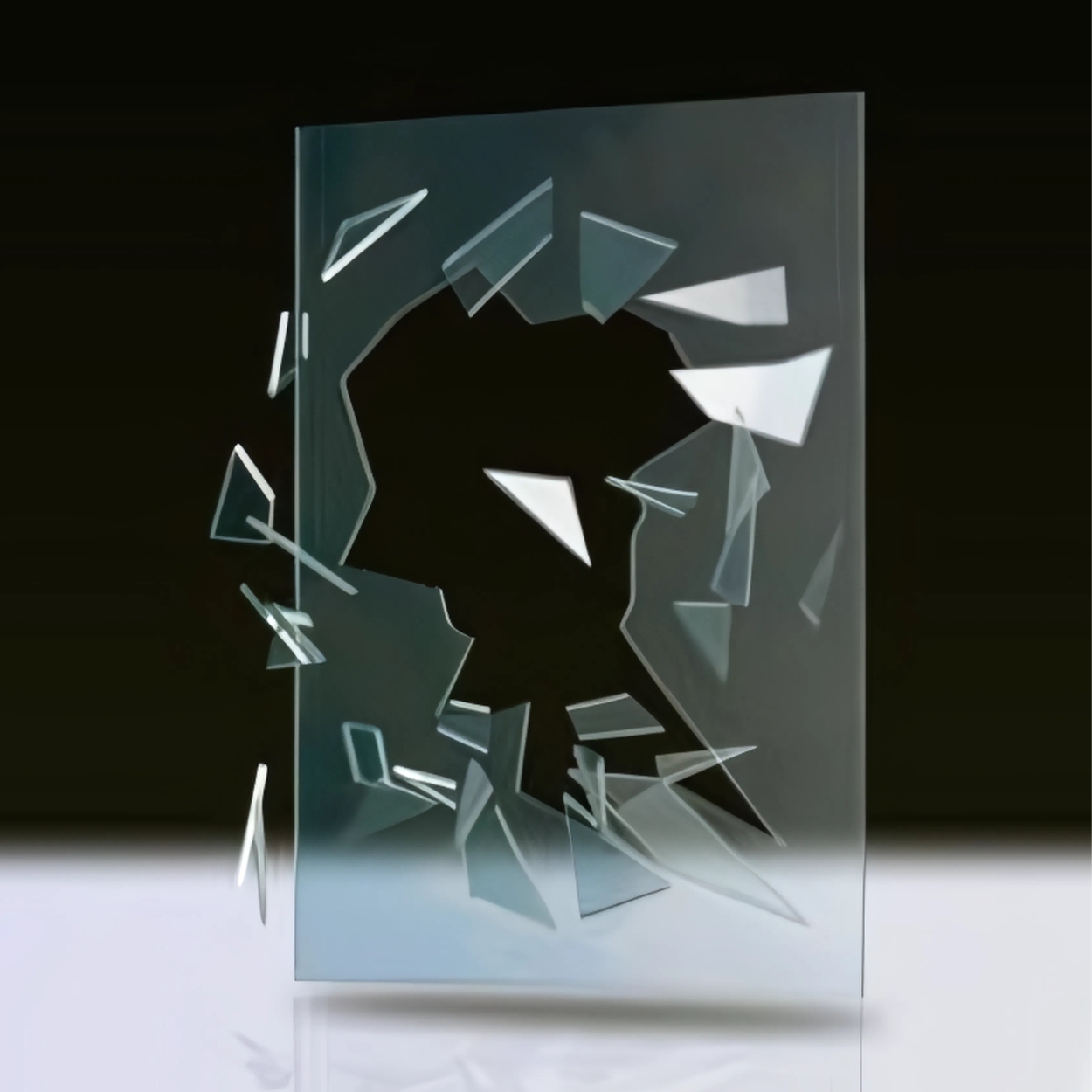
Annealed Glass (Float Glass)
Not a safety glass
Annealed Glass (Float Glass)
Physical properties
Density2,500 kg/m³
Annealing point≈ 545 °C (1015 °F)
Bending strength≈ 45 MPa
Strength factor1×
Safety characteristics
Breaking patternLarge sharp shards
Safety ratingNot a safety glass
Thermal shock resistanceLow
Can be cut after production✓ Yes
Available thicknesses
Weight calculator
Total weight30 kg
Glass weighs 2.5 kg per m² for every millimetre of thickness.
Applications
- Residential windows (low risk)
- Picture frames
- Interior partitions
- Furniture components
- Base material for processing
Advantages
- Most economical option
- Easy to cut and fabricate
- Excellent optical clarity
- Can be processed further
Limitations
- Lowest strength
- Dangerous breakage pattern
- Not suitable for safety glazing
- Limited thermal shock resistance
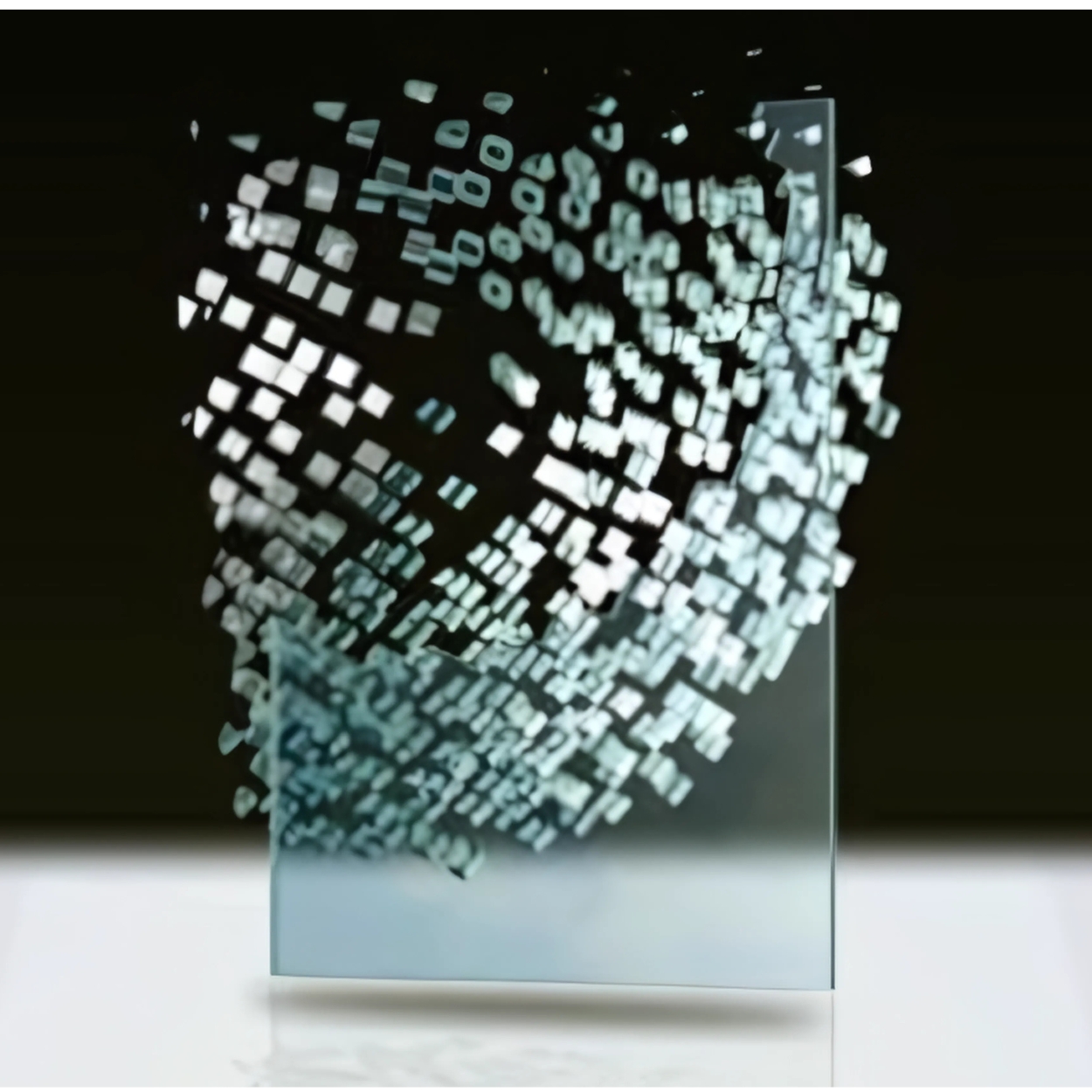
Tempered Glass (Toughened Safety Glass)
Safety glass
Tempered Glass (Toughened Safety Glass)
Physical properties
Density2,500 kg/m³
Processing temperature≈ 620–650 °C (1150–1200 °F)
Bending strength120–200 MPa
Strength factor4–5×
Safety characteristics
Breaking patternSmall blunt cube fragments
Safety ratingSafety glass
Thermal shock resistanceHigh
Can be cut after production✗ No
Available thicknesses
Weight calculator
Total weight30 kg
Glass weighs 2.5 kg per m² for every millimetre of thickness.
Applications
- Shower doors and enclosures
- Glass entry doors
- Automotive side windows
- Balustrades and guardrails
- High thermal stress areas
Advantages
- 4× stronger than annealed
- Superior thermal shock resistance
- Safe breakage pattern
- Meets safety glazing codes
Limitations
- Cannot be modified after tempering
- Slight optical distortion
- Completely vacates the opening when broken
- Higher cost and lead time
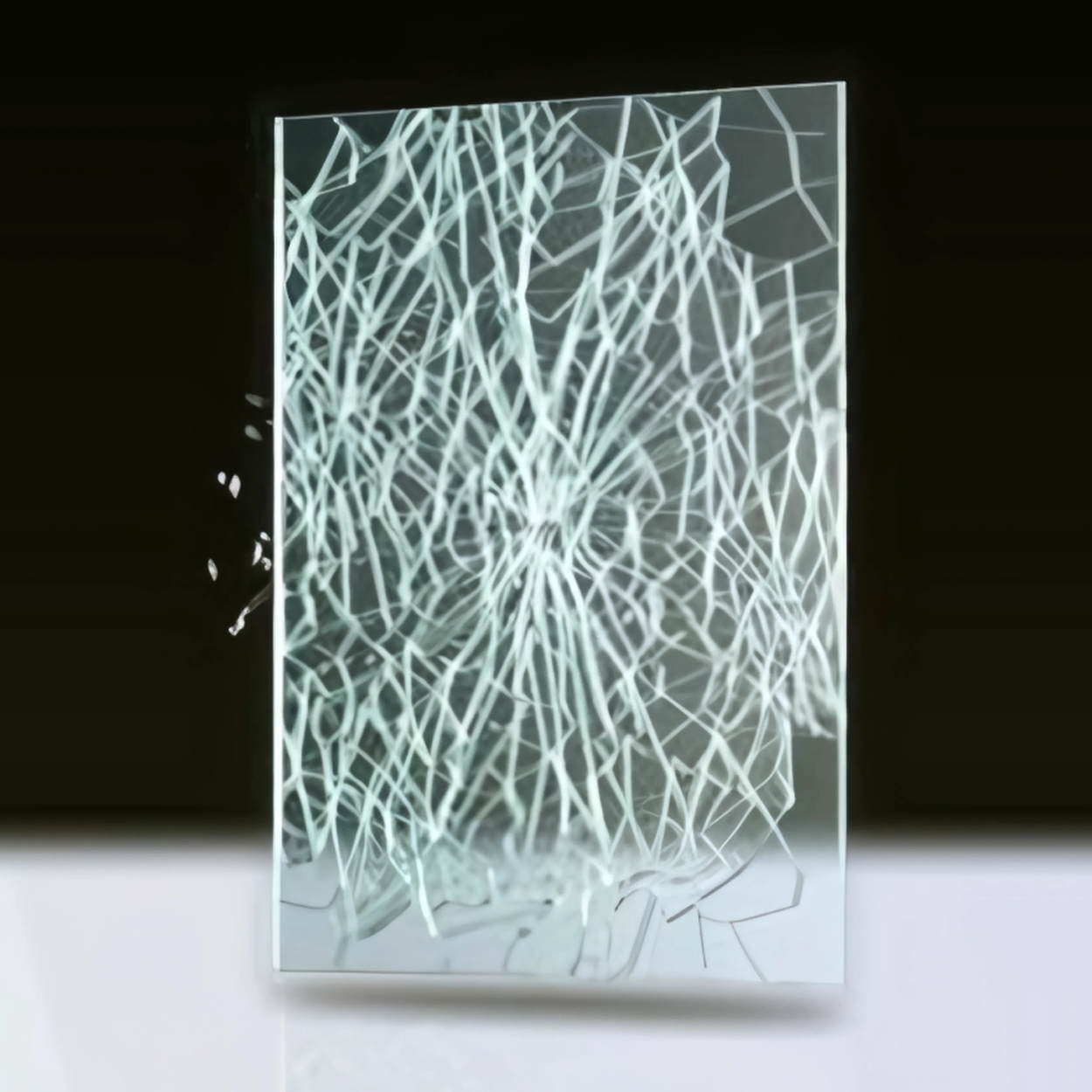
Laminated Glass
Safety glass
Laminated Glass
Physical properties
Density2,500 kg/m³
Interlayer materialPVB (Polyvinyl Butyral)
Bending strength≈ 45 MPa / per ply
Strength factor1×
Safety characteristics
Breaking patternHeld together by the interlayer
Safety ratingSafety glass
Thermal shock resistanceLow–Medium
Can be cut after production✗ No
Standard configurations
Weight calculator
Total weight30 kg
Glass weighs 2.5 kg per m² for every millimetre of thickness.
Applications
- Automotive windshields
- Overhead glazing & skylights
- Hurricane-resistant glazing
- Security applications
- Sound control barriers
- UV protection needs
Advantages
- Glass stays in the frame when broken
- Superior sound insulation
- Blocks 99% of UV rays
- Security and forced-entry resistance
- Decorative options available
Limitations
- Higher cost
- Heavier than monolithic glass
- Edge sealing required
- Cannot be cut after lamination
- Limited temperature range
Comparative analysis
Annealed
Bending strength1×
Safety rating✗
Relative cost1.0×
Tempered
Bending strength4–5×
Safety rating✓
Relative cost2.0×
Laminated
Bending strength1×
Safety rating✓
Relative cost3.0×
| Property | Annealed | Tempered | Laminated |
|---|---|---|---|
| Bending strength | ≈ 45 MPa | 120–200 MPa | ≈ 45 MPa / per ply |
| Relative strength | 1× | 4–5× | 1× / per ply |
| Thermal shock resistance | Low | High | Low–Medium |
| Impact resistance | Low | High | High |
| Safety rating | Not a safety glass | Safety glass | Safety glass |
| Can be cut after production | Yes | No | No |
| Relative cost | 1.0× | 1.8–2.2× | 2.5–3.5× |
Selection guidelines
Choose Annealed when:
- Budget is the primary concern
- There are no safety glazing requirements
- Low-risk interior applications
- Future modifications may be needed
Choose Tempered when:
- Safety glazing is required
- High mechanical strength is needed
- Thermal stress resistance is required
- Building codes require safety glass
Choose Laminated when:
- Retention in the opening is critical
- Security or forced-entry resistance is needed
- Sound control is important
- UV protection is required
- Hurricane or impact resistance is needed